Introduction
U.S. retail e-commerce sales hit $1.19 trillion in 2024, according to the U.S. Census Bureau — up 8.1% from the prior year. That number represents real transactions from real sellers, many of whom started with little more than a laptop and a product idea.
The appeal is straightforward. An online business doesn't require a lease, a large staff, or a warehouse full of inventory. For stay-at-home parents, recent graduates, or salaried workers looking for an independent income stream, the barrier to entry is genuinely lower than it's ever been.
That said, accessible doesn't mean automatic. Most people who struggle early do so because they skip steps, misread the timeline, or try to scale before they've stabilized.
This guide walks you through the full picture — what digital entrepreneurship actually is, why the model works, what to expect in the early months, and a step-by-step process for getting your store off the ground.
Key Takeaways
- Digital entrepreneurship means building a business through online platforms, with far lower startup costs than traditional retail
- E-commerce — especially dropshipping — is the most accessible entry point for first-timers; startup packages start under $6,000 with product margins reaching 200%
- Validating your idea before building anything is the step most beginners skip and later regret
- Expect 18–24 months before the business is truly stable, not 30 days
- Working with an experienced consultant from day one cuts early mistakes and accelerates your path to first revenue
What Is Digital Entrepreneurship?
Digital entrepreneurship is the practice of starting and running a business primarily through online platforms and internet-based tools. It's not limited to tech companies or app developers — it includes e-commerce stores, service agencies, content businesses, and more.
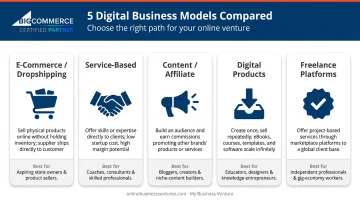
The Main Business Models
The most common entry points for first-time digital entrepreneurs:
- E-commerce / dropshipping — Sell physical products online without holding inventory; a fulfillment partner ships directly to your customer
- Service-based business — Sell skills directly to clients (copywriting, design, consulting, coaching)
- Content / affiliate — Build an audience through a blog, YouTube channel, or social media, then monetize through partnerships and recommendations
- Digital products — Create and sell downloadable items like courses, templates, or software
- Freelance platforms — Offer specific skills through marketplaces like Upwork or Fiverr
How It Differs from Traditional Business
What actually changes when you move online:
- No storefront, no lease, no foot traffic dependency
- Lower capital requirement — many businesses launch for under $10,000
- Global customer reach from day one, not just local walk-ins
- Faster idea testing — you can validate a product concept before investing in inventory
Traditional retail often demands upfront capital before you know whether demand exists. That lower barrier to testing is one reason more people are starting online — and why knowing which model fits your goals matters before you begin.
Why Start an Online Business?
E-commerce generating over a trillion dollars annually isn't a niche story — it's a mainstream shift in how Americans shop. The opportunity is real. So is the competition.
What makes it worth pursuing — for the right person — comes down to four practical advantages:
- No storefront, no inventory costs: Dropshipping eliminates commercial rent and upfront product investment. Most foundational tools (email, analytics, basic design) run free or at low monthly cost.
- Nationwide reach from day one: A local shop is limited to whoever drives past it. An online store reaches customers across the country with the same effort.
- Built around your life: Entrepreneurs set their own hours, choose their niche, and build something that fits their existing schedule — not the other way around.
- Revenue that scales without matching cost growth: Fulfillment is handled externally, marketing is scalable, and the ceiling is higher than most brick-and-mortar equivalents.
These advantages don't eliminate the hard parts. Competition is real, and margins vary — BigCommerce notes a typical dropshipping margin around 20%, though curated product catalogs with better supplier relationships can push that significantly higher. Either way, the runway to profitability is longer than most first-timers expect.
What to Know Before You Launch
Most early failures aren't caused by bad products — they're caused by bad assumptions. Before you spend money or time building, make sure you've accepted these three realities.
Reality 1: Income Takes Time
Shopify's platform guidance puts the timeline for getting an e-commerce business off the ground at 18 to 24 months. That's not pessimism — it's a realistic baseline.
Building consistent traffic, earning customer trust, and optimizing conversion takes iteration. Plan to maintain your primary income source while building, or have a meaningful financial cushion before you go all-in.
Reality 2: Competition Is Global
You're not competing with the shop across town. You're competing with every seller offering a similar product online, including established brands with real marketing budgets. Differentiation through niche focus, product curation, or service quality isn't optional — it's your primary lever.
Reality 3: Skills Gaps Are Normal but Must Be Addressed
Most first-timers start without meaningful experience in SEO, paid advertising, or e-commerce operations. The gap itself isn't the problem — leaving it unaddressed is.
Decide early whether you'll close those gaps through self-study or outside help. MBV University, My Business Venture's coaching program, pairs first-time store owners with dedicated consultants who cover store setup, marketing, and operations — so you're not piecing it together alone.
How to Start Your Online Business — Step by Step
Most beginner mistakes — rushing to launch, skipping validation, scaling before stabilizing — happen when these steps are skipped or done out of order. Work through them sequentially.
Step 1: Choose Your Business Model and Validate Your Idea
Choosing a model: Three options work best for beginners:
| Model | Best For | Key Trade-Off |
|---|---|---|
| E-commerce / dropshipping | Those with limited capital, no warehouse | Lower margins, supplier dependence |
| Service-based | Those with marketable skills | Income-for-time, harder to scale |
| Content / affiliate | Those with patience for long-term growth | Slow to monetize, audience-first |
Validating before you build: Before purchasing a platform or investing in branding, confirm that real demand exists. Basic validation methods:
- Search keyword tools (Google Keyword Planner, Ubersuggest) for monthly search volume
- Study 3–5 successful competitors to confirm the market is active
- Talk to 10 potential customers about their actual pain points and what they'd pay
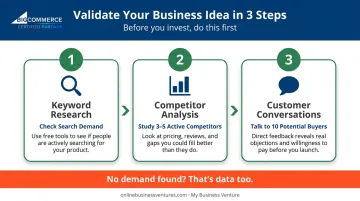
If you can't find evidence of demand, that's data too.
Step 2: Define Your Niche, Target Customer, and Pricing
On niche selection: Trying to sell everything to everyone is one of the costliest beginner mistakes. The difference:
- Broad approach: "I sell home goods"
- Niche approach: "I sell ergonomic home office accessories for remote workers"
The second version has a defined customer, focused marketing, and a clear reason to exist. It converts better.
On pricing: Build your price from the ground up:
- Start with your cost (platform fees, fulfillment, marketing, shipping)
- Add your target margin. Standard dropshipping margins typically start around 20%, though product category and supplier relationships can push markups to 35–200%
- Check what competitors charge, then price intentionally
Underpricing to win early customers is a trap. Shopify's pricing research confirms that very low prices can signal lower quality, hurting long-term brand perception. Price competitively, not desperately.
Step 3: Handle the Business Setup Basics
Get the legal and administrative foundation in place before you take your first order.
What to set up:
- Business entity: LLC or sole proprietorship; most registration costs fall under $300, though fees vary by state
- Business bank account: Keep business and personal finances separate from day one
- Tax obligations: Self-employed individuals generally file annual returns and make quarterly estimated payments; net self-employment earnings of $400 or more trigger a filing requirement per IRS guidance
- Sales tax: Many states require remote sellers above economic nexus thresholds (minimum sales volumes that trigger a tax collection obligation) to collect and remit; thresholds vary, so check your state
Payment processing: Choose a processor that includes SSL encryption and fraud protection. A 2025 Baymard survey found that 19% of U.S. checkout abandoners cited distrust about entering card information. Payment security directly affects whether visitors complete their purchase.
Consult a local accountant or attorney for entity and tax questions specific to your state.
Step 4: Build Your Online Presence and Platform
Your website is your storefront, your first impression, and your primary sales tool. It needs to work well before you drive traffic to it.
Core components every online store needs:
- Professional website or e-commerce storefront
- Clear brand identity: logo, consistent color palette, messaging
- Payment-ready product or service listings
- SSL security and visible trust signals (Norton seal, payment logos)
- Mobile-optimized design
Building a store from scratch on platforms like BigCommerce or Shopify is possible, but it requires technical troubleshooting, design decisions, and ongoing management — time that most beginners underestimate.
Launching without a marketing plan is like opening a store with no sign out front. Without active promotion, visitors won't find you.
Priority marketing channels for early-stage businesses:
- Social media: Pick 1–2 platforms where your target customer is most active. Don't spread across five channels before you've mastered one
- SEO-driven content: Organic search traffic compounds over time and doesn't stop when ad spend does. Meaningful results take months, but the payoff is durable
- Email list building: A direct line to customers that no algorithm change can cut off. Shopify cites an average of $36 returned per $1 spent on email marketing
The post-launch optimization loop:
- Track traffic sources and conversion rates weekly
- Gather customer feedback: what's confusing, what's missing
- Fix what isn't working before adding new channels
- Only scale what's already converting
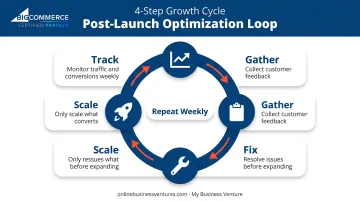
Expansion before stability is how most early-stage businesses stall. Get your conversion foundation solid first, then grow from a position of strength.
Frequently Asked Questions
What is a digital business entrepreneur?
A digital business entrepreneur is someone who starts and runs a business using online platforms and digital tools. This includes e-commerce store owners, freelancers, content creators, and digital product sellers — not just app developers or software founders.
What are the best digital businesses to start?
It depends on your skills and goals, but accessible entry points for beginners include e-commerce, freelance services, and content creation. Dropshipping is particularly popular for first-timers because it requires no upfront inventory investment.
How much does a digital business entrepreneur make?
Income varies widely based on business model, niche, margins, and marketing investment. There's no reliable median — a dropshipping store and a high-ticket service business operate in completely different financial ranges.
What is an example of a digital business entrepreneur?
Warby Parker launched exclusively online in 2010 and hit its first-year sales target in three weeks, per its SEC filing. Emily Weiss built Glossier in 2014 by converting her blog Into The Gloss into a direct sales channel, scaling it into a widely recognized brand.
How long does it take to start an online business?
The technical setup — website, domain, payment processing — can happen within days using a turn-key platform. Building consistent traffic and revenue typically takes 18–24 months of consistent effort, with the timeline depending heavily on your model and marketing investment.
Do I need technical skills to start a digital business?
Advanced technical skills aren't required. Basic comfort with digital tools helps, and platforms like MBV University pair you with one-on-one coaching and dedicated consultants to cover the rest — particularly useful for those new to online business.
Conclusion
Digital entrepreneurship is accessible — but it isn't automatic. The businesses that make it past the first year do so because they chose a model that fit their resources, validated demand before building, executed the basics consistently, and gave the business time to grow.
The clearest first step isn't choosing a platform or buying a domain. It's deciding what problem you're solving and who you're solving it for. The entrepreneurs who move fastest are the ones who start with that answer — then build around it with the right tools, the right support, and a realistic plan.
That's exactly what companies like My Business Venture are built for: giving first-time online business owners a structured starting point — from a pre-built, product-ready store to one-on-one consulting — so the learning curve doesn't become a dead end.